

Suit for Specific Performance of Agreement to Sell in Pakistan: Limitation, Readiness & Injunction Remedies (دعویٰ تعمیلِ مختص – اقرارنامہ بیع جائیداد)
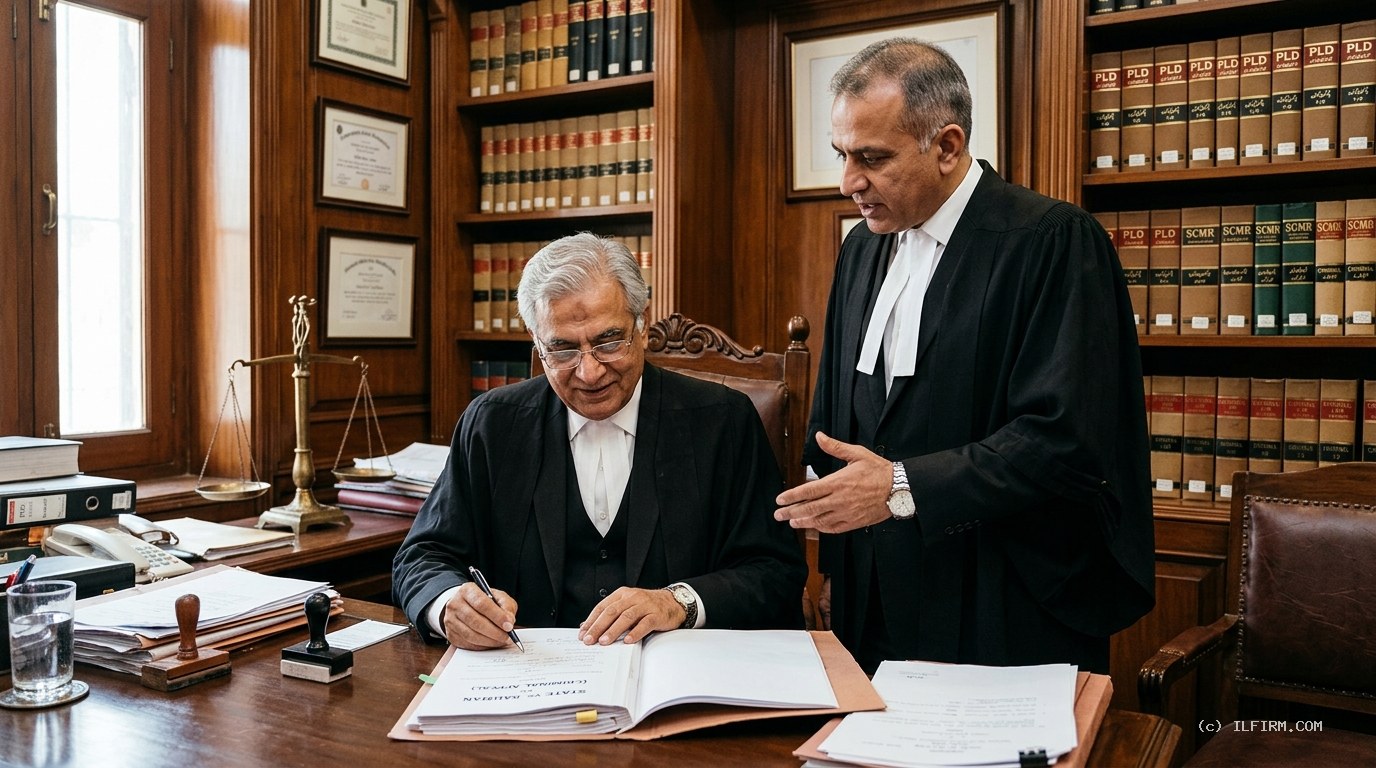
1. Executive Summary & The Jurisprudential Anatomy of Specific Performance in Pakistan (تعارفی خلاصہ و دعویٰ تعمیلِ مختص کی قانونی نوعیت)
In the property and real estate jurisprudence of Pakistan, contracts for the sale of immovable property—colloquially executed as an Agreement to Sell (اقرارنامہ بیع / بیع نامہ)—represent the lifeblood of land acquisitions, commercial investments, and private conveyancing. Whether concerning prime agricultural tracts in Khyber Pakhtunkhwa (including Swat, Malakand, Peshawar, Mardan, and Abbottabad), residential plots in housing authorities, or commercial plazas in urban centers, transactions almost invariably commence with a bilateral agreement wherein earnest money (زرِ بیعانہ) is advanced and a future date is stipulated for payment of the balance consideration (بقیہ زرِ بیع) and formal execution of the registered sale deed (رجسٹری بیع نامہ / انتقال بیع).
However, due to erratic property appreciation, double sales, vendor avarice, or fraudulent alienation to third parties, recalcitrant vendors frequently refuse to execute the registered transfer deed once the value of the land escalates. Under the legal system of Pakistan, the aggrieved purchaser’s foremost, potent, and statutory remedy is the institution of a Suit for Specific Performance of Contract (دعویٰ تعمیلِ مختص معاہدہ بیع) under the Specific Relief Act, 1877 (ایکٹ نمبر 1 مجریہ 1877ء) before the court of the competent Senior Civil Judge (سول جج / سینئر سول جج).
A suit for specific performance is fundamentally an equitable and discretionary remedy (صوابدیدی و منصفانہ داد رسی). The superior courts of Pakistan, led by the Supreme Court of Pakistan (عدالتِ عظمیٰ پاکستان), have repeatedly laid down that an agreement to sell does not, by itself, create any proprietary title or interest in the immovable property; it merely creates an actionable personal obligation. Consequently, obtaining a final decree for specific performance requires strict, meticulous compliance with statutory evidentiary standards, affirmative proof of continuous readiness and willingness (آمادگی، تیاری اور مالی استطاعت), mandatory deposition of the balance sale price into the judicial treasury, and unimpeachable proof of execution through attesting witnesses under the Qanun-e-Shahadat Order, 1984 (قانونِ شہادت آرڈر 1984ء).
Specific Performance is an Equitable Relief, Not an Absolute Right (تعمیلِ مختص کوئی مطلق حق نہیں بلکہ صوابدیدی انصاف ہے)
Under established Pakistani superior court jurisprudence reaffirmed in landmark Supreme Court judgments, including Farzand Ali v. Muhammad Arif (2020 SCMR 223) and Haji Muhammad Din v. Malik Muhammad Abdullah (PLD 1994 SC 275), the jurisdiction to decree specific performance under Section 22 of the Specific Relief Act, 1877 is discretionary. The plaintiff must approach the civil court with clean hands (صاف ہاتھوں سے رجوع کرنا) and prove continuous, unbroken readiness and willingness to perform their contractual obligations from the date of the contract until the pronouncement of the decree. Failure to deposit the balance sale price upon court direction leads to immediate dismissal of the suit.
2. Statutory Architecture: The Specific Relief Act, 1877 & Substantive Legal Thresholds (قانونی فریم ورک اور بنیادی دفعات)
The substantive legal foundations governing suits for specific performance in Pakistan are codified primarily in Chapter II of the Specific Relief Act, 1877 (Act I of 1877), read in conjunction with the Contract Act, 1872 (ایکٹ نمبر 9 مجریہ 1872ء) and the Transfer of Property Act, 1882 (ایکٹ نمبر 4 مجریہ 1882ء). Counsel representing buyers or sellers must master the following statutory pillars:
A. Section 12: Presumption in Contracts to Transfer Immovable Property (غیر منقولہ جائیداد میں تعمیل کا قانونی مفروضہ)
Under Section 12 of the Specific Relief Act, 1877, specific performance of any contract may be enforced when there exists no standard for ascertaining the actual damage caused by non-performance, or when the act agreed to be done is such that pecuniary compensation for its non-performance would not afford adequate relief. Crucially, the Explanation to Section 12 creates an affirmative statutory presumption of law:
“Unless and until the contrary is proved, the court shall presume that the breach of a contract to transfer immovable property cannot be adequately relieved by compensation in money.”
This statutory presumption provides the buyer with a powerful legal footing. In real estate transactions, land possesses unique intrinsic value; therefore, monetary damages are legally presumed to be inadequate, making a decree for specific transfer the standard judicial remedy unless statutory exceptions intervene.
B. Section 19: Liquidation of Damages Not a Bar to Specific Relief (ہرجانہ اور تعمیل کا متبادل حق)
Vendors frequently draft penalty clauses into agreements to sell, stipulating that in case of breach, the vendor will merely refund double the earnest money or pay liquidated damages. Under Section 19 of the Specific Relief Act, a plaintiff may claim compensation for breach either in addition to, or in substitution for, specific performance. The superior courts of Pakistan have consistently ruled that the mere incorporation of a penalty or forfeiture clause in an agreement does not divest the civil court of its jurisdiction to enforce specific performance of the transfer.
C. Section 21 & 22: Judicial Discretion & Contracts Not Specifically Enforceable (عدالتی صوابدید اور ناقابلِ نفاذ معاہدات)
Under Section 22 of the Act, the jurisdiction to decree specific performance is discretionary. The court is not bound to grant such relief merely because it is lawful to do so. However, the discretion of the court is not arbitrary, but sound, reasonable, and guided by judicial principles capable of appellate correction. The court will refuse specific performance where:
- Unfair Advantage (ناجائز فائدہ): The circumstances under which the contract was entered into gave the plaintiff an unfair advantage over the defendant, even though there was no fraud or misrepresentation.
- Severe Hardship (شدید مشقت یا غیر معمولی نقصان): The performance of the contract would involve some hardship on the defendant which they did not foresee, whereas its non-performance would involve no such hardship on the plaintiff.
- Uncertainty of Terms under Section 21(c): Contracts whose terms the court cannot find with reasonable certainty (such as vague property boundaries or unspecified khasra numbers) cannot be specifically enforced.
D. Section 24: Personal Bars to Relief & The Readiness Rule (آمادگی، تیاری اور ذاتی رکاوٹیں)
Under Section 24(b) of the Specific Relief Act, specific performance cannot be enforced in favour of a person who has become incapable of performing, or violates any essential term of the contract, or acts in fraud of the contract. The plaintiff must plead and prove that they have performed, or have at all material times been ready and willing (تیار اور آمادہ) to perform, the essential terms of the contract which were to be performed by them.
E. Section 27(b): The Bona Fide Purchaser for Value Without Notice Doctrine (خوش نیتی سے خریدارِ ثانی کا دفاع)
One of the most fiercely litigated areas in Pakistani land disputes involves the rights of subsequent purchasers. Under Section 27(b) of the Specific Relief Act, specific performance of a contract may be enforced against:
“Any other person claiming under him by a title arising subsequently to the contract, except a transferee for value who has paid his money in good faith and without notice of the original contract.”
If a vendor dishonestly sells the property to a third party (خریدارِ ثانی) after executing an agreement to sell with the original buyer, the original buyer can enforce specific performance against both the vendor and the subsequent buyer, UNLESS the subsequent buyer proves three distinct ingredients: (1) that they purchased the land for valuable consideration; (2) that they acted in good faith; and (3) that they had absolutely no prior notice of the original agreement. The Supreme Court has firmly settled that the heavy burden of proving all three elements rests squarely upon the subsequent purchaser.
3. Evidentiary Rigour under Qanun-e-Shahadat Order, 1984: Proving the Agreement to Sell (قانونِ شہادت کے تحت اقرارنامہ کا ثبوت)
More suits for specific performance collapse in Pakistani trial courts due to defective evidentiary compliance than any other legal reason. In Pakistan, an Agreement to Sell involves financial obligations and the future conveyance of title; therefore, its proof is governed strictly by the Qanun-e-Shahadat Order, 1984 (قانونِ شہادت آرڈر 1984ء).
A. Article 17(2) & Article 79 QSO: Mandatory Attestation & Production of Two Marginal Witnesses (دو حاشیہ دار گواہان کی پیشی)
Under Article 17(2)(a) of the Qanun-e-Shahadat Order, 1984, in matters pertaining to financial or future obligations, an instrument must be attested by at least two male witnesses, or one male and two female witnesses. Consequently, an agreement to sell must bear the signatures or thumb impressions of at least two competent marginal witnesses (حاشیہ دار گواہان).
Furthermore, Article 79 of the QSO mandates that if a document is required by law to be attested, it shall not be used as evidence until at least two attesting witnesses have been called for the purpose of proving its execution, if alive and capable of giving evidence. In the landmark judgment PLD 2023 SC 414 (and reaffirmed across reported benches), the Supreme Court ruled that:
- The production and examination of both marginal witnesses in the witness box is an inflexible statutory requirement.
- Examining only one marginal witness and the scribe (وثیقہ نویس) does NOT fulfill the mandatory requirement of Article 79 QSO unless it is strictly proved that the second witness is deceased or permanently untraceable.
- Failure to produce both marginal witnesses renders the agreement to sell legally inadmissible, resulting in the immediate dismissal of the suit without the court even examining the defendant’s rebuttal.
B. Proving Earnest Money (زرِ بیعانہ) & Scribe Testimony (وثیقہ نویس کا بیان)
In addition to the marginal witnesses, the plaintiff must prove the actual payment of the earnest money. Where consideration is alleged to have been paid in cash, the trial court subjects the testimony to rigorous scrutiny. The plaintiff must produce the deed scribe (وثیقہ نویس / اسٹامپ فروش), who must bring his official register to prove that the vendor signed the register and purchased the judicial stamp paper on the date in question. Where earnest money was remitted via bank pay-order, cheque, or electronic transfer, certified bank statements must be tendered into evidence under Article 73 of the QSO.
4. Landmark Superior Court Precedents: Supreme Court of Pakistan (سپریم کورٹ کے رہنما و پابند نظائر)
Every pleading, temporary injunction application, and final argument in a specific performance suit must be grounded in binding precedents reported in Pakistan Legal Decisions (PLD) and Supreme Court Monthly Review (SCMR). The following apex court rulings govern the field:
A. Farzand Ali v. Muhammad Arif (2020 SCMR 223) – The Mandatory Deposit Rule
In 2020 SCMR 223, the Supreme Court delivered a definitive judgment regarding the financial bona fides of the purchaser:
- Demonstration of Financial Capacity (مالی استطاعت کا عملی ثبوت): A buyer seeking specific performance must affirmatively prove that they were possessed of sufficient financial resources to pay the balance consideration at the agreed time.
- Deposit of Balance Consideration (عدالت میں بقیہ رقم جمع کروانا): The trial court is duty-bound to order the plaintiff to deposit the balance sale price into the court within a stipulated timeframe. If the plaintiff fails to deposit the balance amount or seeks endless adjournments, the plaint must be rejected or the suit dismissed, as it demonstrates lack of readiness and willingness.
B. Mst. Sughran Mai v. Qadir Bakhsh (PLD 2023 SC 414) – Strict Adherence to Article 79 QSO
In PLD 2023 SC 414, the Supreme Court re-evaluated the evidentiary standard for proving agreements to sell:
- The court reaffirmed that an agreement to sell creating financial rights cannot be proved by oral testimony alone. Both attesting witnesses must be examined in the witness box to satisfy Article 79 of the Qanun-e-Shahadat Order.
- Discrepancies in the testimony of marginal witnesses regarding the time, venue, or quantum of earnest money paid at the time of execution are fatal to the plaintiff’s claim.
C. Bashir Ahmed v. Mst. Zubaida Begum (PLD 1984 SC 3) – Subsequent Purchaser Burden
In PLD 1984 SC 3, the Supreme Court laid down the classic test under Section 27(b) of the Specific Relief Act:
- Once the prior agreement to sell in favour of the plaintiff is established, the initial burden rests upon the subsequent purchaser to plead and prove that they had no notice of the prior transaction.
- Mere denial of notice is insufficient; the subsequent buyer must prove that they made diligent inquiries in the locality and with the revenue authorities before parting with their money.
D. Mian Muhammad v. Mian Ghulam Hussain (2007 SCMR 1447) – Oral Agreements to Sell
In 2007 SCMR 1447, the Supreme Court addressed the validity and evidentiary standard of oral agreements to sell (زبانی اقرارنامہ بیع):
- Although Pakistani law does not prohibit an oral contract for the sale of land, the burden of proving an oral agreement to sell is exceptionally heavy (انتہائی بھاری بارِ ثبوت).
- The plaintiff must prove the exact date, time, place, witnesses, total consideration, and terms of delivery of possession. In the absence of unimpeachable, conclusive evidence, civil courts will decline specific performance of oral agreements.
5. Procedural Roadmap: Step-by-Step From Legal Notice to Court Execution (قانونی روڈ میپ: نوٹس سے عدالتی رجسٹری تک)
Instituting and successfully litigating a suit for specific performance in a Pakistani Civil Court requires strategic execution across ten distinct procedural phases:

Figure 1: Authentic certified legal record: Judicial stamp paper Agreement to Sell (اقرارنامہ بیع), revenue court fee stamps, and authoritative Specific Relief Act legal reporters in Pakistan.
Phase 1: Serving Statutory Legal Notice & Tender of Balance (قانونی نوٹس کی ترسیل)
Upon arrival of the stipulated completion date (یا تاریخِ پیش رفت), the buyer must dispatch a formal legal notice via registered postal service (acknowledgment due / رجسٹری اے ڈی) and courier. The notice must explicitly state: (a) that the buyer is ready with the balance consideration; (b) call upon the vendor to appear before the Sub-Registrar / Arazi Record Center on a specified date and time to execute the sale deed; and (c) give a clear 7 to 14 days warning of legal action. The buyer must physically attend the Sub-Registrar office on the designated date and obtain an official attendance certificate (حاضری سرٹیفکیٹ) to prove readiness.
Phase 2: Drafting the Plaint & Valuation (عرضی دعویٰ اور عدالتی مالیت)
Under Order VII Rule 1 of the Code of Civil Procedure, 1908 (CPC), counsel drafts the plaint before the Senior Civil Judge. Crucially, the plaint must contain explicit averments of continuous readiness and willingness (آمادگی کا تحریری بیان). Under the Court Fees Act, 1870 and Suits Valuation Act, 1887, court fees must be calculated upon the total agreed sale consideration (subject to provincial statutory caps, typically PKR 15,000 in Punjab and KP).
Phase 3: Securing Emergency Injunction under Order XXXIX Rules 1 & 2 CPC (حکمِ امتناعی / اسٹے آرڈر)
Simultaneously with the plaint, the plaintiff must file an interlocutory application under Order XXXIX Rules 1 & 2 CPC (درخواست حکمِ امتناعی زیر آرڈر 39 رولز 1 و 2 ضابطہ دیوانی) seeking an ad-interim temporary injunction restraining the vendor from alienating, transferring, gifting, mortgaging, or changing the physical character of the property. Counsel must demonstrate the three classic prerequisites: (1) prima facie case (مقدمہ بادی النظر); (2) balance of convenience (توازنِ سہولت); and (3) irreparable loss (ناقابلِ تلافی نقصان).
Phase 4: Deposit of Balance Sale Consideration (عدالت میں بقیہ زرِ بیع کا داخلہ)
Pursuant to the mandatory Supreme Court guidelines in Farzand Ali, the plaintiff must file a formal application offering to deposit the balance sale price in court. The trial court will issue a judicial treasury challan (عدالتی چالان) directing the deposit of the money into the state bank/treasury. Complying with this order seals the plaintiff’s bona fides.
Phase 5: Written Statement & Contested Defenses (جواب دعویٰ اور عذرات)
The defendant vendor files their Written Statement (جواب دعویٰ) under Order VIII Rule 1 CPC within 30 days. Common defenses include total denial of execution, forgery of stamp paper, non-payment of earnest money, expiry of limitation period, or that the agreement was merely a security collateral for an informal loan transaction.
Phase 6: Framing of Issues under Order XIV CPC (تنقیحات کا وضع ہونا)
The Civil Judge examines the pleadings and frames contentious Issues (تنقیحات). Standard issues include: (1) Whether the defendant executed the agreement to sell dated X in favour of the plaintiff for valid consideration? (OPP); (2) Whether the plaintiff has at all times been ready and willing to perform his part of the contract? (OPP); (3) Whether the suit is barred by limitation? (OPD); and (4) Whether the plaintiff is entitled to a decree for specific performance? (OPP).
Phase 7: Plaintiff’s Evidence & Marginal Witness Testimony (شہادتِ مدعی)
The plaintiff appears as PW-1, producing the original Agreement to Sell (Ex. P-1), receipt of earnest money (Ex. P-2), legal notice and postal receipts (Ex. P-3 & P-4), and treasury deposit challan. Crucially, the plaintiff produces PW-2 and PW-3—the two marginal witnesses (حاشیہ دار گواہان)—who testify to witnessing the execution, signatures, and exchange of earnest money, followed by the scribe (PW-4).
Phase 8: Defense Evidence & Cross-Examination (شہادتِ مدعا علیہ اور جرح)
The defendant produces their witnesses. Plaintiff’s counsel conducts exhaustive cross-examination, confronting the defendant with signatures on bank records, revenue mutation registers, and NIC copies attached to the original agreement. If forgery is alleged, the court may refer the document to the Forensic Science Laboratory (PFSA / فرانزک لیب) for handwriting comparison under Article 84 QSO.
Phase 9: Final Arguments & Judicial Decree (حتمی دلائل اور ڈگری)
Following final oral arguments on legal and factual points, the Senior Civil Judge pronounces judgment. If decreed, the court directs the defendant to execute the registered sale deed within a specified period (typically 30 to 60 days), failing which the court will execute the deed on the defendant’s behalf.
Phase 10: Execution of Decree under Order XXI Rule 34 CPC (اجراء ڈگری اور عدالتی رجسٹری)
If the recalcitrant vendor refuses to execute the conveyance deed, the decree-holder files an Execution Petition (درخواستِ اجراء ڈگری) under Order XXI Rules 32 & 34 CPC. The executing court prepares a draft sale deed, approves it, and appoints a Court Official / Local Commissioner (مقامی کمشنر یا عدالتی نمائندہ) who signs and registers the sale deed before the Sub-Registrar on behalf of the vendor. The court then issues a Warrant of Possession (وارنٹِ دخل) under Order XXI Rule 35 CPC, directing the court bailiff (ناظر / بیلف) with police assistance to physically deliver vacant possession of the land to the decree-holder.
6. Limitation Periods: Article 113 of the Limitation Act, 1908 (میعادِ سماعت کا تعین)
Limitation in suits for specific performance is governed strictly by Article 113 of the First Schedule to the Limitation Act, 1908 (آرٹیکل 113 ایکٹ میعادِ سماعت), which prescribes a statutory limitation period of Three Years (تین سال). Article 113 contains two alternative limbs for computing limitation:
- First Part: Where a Date is Fixed for Performance (معاہدے میں حتمی تاریخ کا تعین): If the agreement to sell specifies a fixed calendar date for the execution of the sale deed (e.g., “on or before 31st December 2024”), limitation of three years begins to run strictly from that fixed date.
- Second Part: Where No Date is Fixed (جہاں تاریخ مقرر نہ ہو): If the agreement does not mention a specific calendar date (or makes completion contingent upon an uncertain future event such as sanctioning of mutation or clearance of legal title), limitation of three years commences when the plaintiff has notice that performance is refused (انکار کا علم ہونا).
Under consistent Supreme Court rulings, time is not ordinarily the essence of a contract in transactions involving immovable property unless expressly stipulated. However, a plaintiff who sits idle for years after clear refusal risks having their suit dismissed on grounds of limitation, laches, and waiver.
7. Comparative Practice Matrices & Evidentiary Checklists (جامع تقابلی جائزہ و دستاویزی چیک لسٹ)
To assist practitioners, litigators, and property buyers in formulating strategy, the following structured comparative tables evaluate the differences between remedies, jurisdictional valuation, and evidentiary checklists.
Table 1: Suit for Specific Performance vs. Suit for Recovery of Earnest Money & Damages (تعمیلِ مختص بمقابلہ واپسی بیعانہ)
| Legal Parameter (قانونی پہلو) | Suit for Specific Performance (دعویٰ تعمیلِ مختص) | Suit for Recovery of Earnest Money & Damages (دعویٰ واپسی بیعانہ و ہرجانہ) |
|---|---|---|
| Primary Relief (بنیادی داد رسی) | Execution of registered sale deed and delivery of physical possession of land. | Refund of earnest money along with damages/penalty under Contract Act 1872. |
| Governing Law (متعلقہ قانون) | Specific Relief Act, 1877 (Sections 12, 19, 22). | Contract Act, 1872 (Sections 73, 74 & 75). |
| Deposit of Balance Price (بقیہ رقم کا داخلہ) | Mandatory requirement to deposit balance price under court orders. | Not required; plaintiff merely seeks refund of money already paid. |
| Temporary Injunction (اسٹے آرڈر) | Interim injunction routinely granted restraining sale to third parties. | Injunction against land transfer generally refused (purely monetary claim). |
| Limitation Period (میعادِ سماعت) | 3 Years under Article 113 of Limitation Act, 1908. | 3 Years under Article 62, 97, or 115 of Limitation Act, 1908. |
Table 2: Limitation, Court Fees & Jurisdictional Valuation Matrix (میعاد، کورٹ فیس اور دائرہ اختیار)
| Procedural Element (ضابطہ کار عنصر) | Statutory Provision (متعلقہ دفعہ) | Prescribed Rule / Value (مقررہ ضابطہ یا مالیت) | Competent Forum (مجاز عدالت) |
|---|---|---|---|
| Limitation (Fixed Date) | Article 113 (Part 1) Limitation Act | 3 Years from date fixed for performance | Senior Civil Judge |
| Limitation (No Date) | Article 113 (Part 2) Limitation Act | 3 Years from date of notice of refusal | Senior Civil Judge |
| Court Fees | Section 7(x)(a) Court Fees Act 1870 | 7.5% of agreed price (subject to max cap PKR 15,000) | Trial Civil Court |
| Jurisdictional Valuation | Suits Valuation Act 1887 | Valued at total agreed contract consideration | Civil Judge Class-I / District Judge |
| First Appeal (اپیل) | Section 96 CPC | 30 Days (District Court) / 90 Days (High Court) | District Court / High Court |
Table 3: Mandatory Document & Evidence Checklist under Article 79 QSO (دستاویزی ثبوتوں کی چیک لسٹ)
| Evidentiary Category (ثبوت کی قسم) | Plaintiff / Buyer Mandatory Documents (مدعی کے کاغذات) | Defendant / Vendor Defense Documents (مدعا علیہ کے عذرات) |
|---|---|---|
| The Primary Contract | Original judicial stamp paper Agreement to Sell with clear khasra boundaries. | Stamp vendor register extract, proof of misrepresentation or blank signature. |
| Marginal Witnesses | Affidavits of two male attesting witnesses under Article 17(2) & 79 QSO. | Proof that witnesses are related, interested, or not present during signing. |
| Earnest Money Proof | Bank pay-order counterfoil, bank account debit statement, signed cash receipt. | FBR wealth statement showing plaintiff had no cash liquidity to pay earnest sum. |
| Notice & Readiness | Legal demand notice, postal registry receipts, Sub-Registrar attendance slip. | Proof plaintiff never contacted vendor or attended registration office on due date. |
| Deposit of Balance | Judicial treasury challan proving deposit of balance consideration in court. | Application seeking rejection of plaint for failure to deposit within time. |
8. Frequently Asked Questions (اکثر پوچھے جانے والے ضروری قانونی سوالات)
1. What is the limitation period for filing a suit for specific performance in Pakistan? (دعویٰ دائر کرنے کی قانونی میعاد کیا ہے؟)
Under Article 113 of the First Schedule to the Limitation Act, 1908, the limitation period is strictly three years. Where a calendar date is specified in the agreement to sell for completing the transaction, limitation runs from that fixed date. Where no date is fixed, limitation runs from the date when the plaintiff has notice that performance is refused by the vendor.
2. Can specific performance be decreed if one of the two marginal witnesses has died? (اگر ایک حاشیہ دار گواہ فوت ہو جائے تو کیا معاہدہ ثابت ہو سکتا ہے؟)
Yes. Under Article 80 and 81 of the Qanun-e-Shahadat Order, 1984, if one marginal witness is deceased or cannot be found despite diligent search, the plaintiff must prove that witness’s death (via death certificate) and call witnesses familiar with their signature and handwriting, alongside examining the surviving marginal witness and the deed scribe.
3. Is it mandatory to deposit the remaining sale consideration in court? (کیا بقیہ رقم عدالت میں جمع کروانا لازمی ہے؟)
Yes. Under the Supreme Court’s landmark ruling in Farzand Ali v. Muhammad Arif (2020 SCMR 223), the plaintiff must establish their continuous readiness and willingness. When directed by the trial court, the plaintiff must deposit the balance sale consideration into the court treasury. Failure to deposit the amount leads to the dismissal of the suit.
4. What happens if the seller transfers the property to a third party during the dispute? (اگر مالک نے تنازع کے دوران جائیداد کسی تیسرے شخص کو فروخت کر دی ہو؟)
Under Section 52 of the Transfer of Property Act, 1882 (Doctrine of Lis Pendens), any transfer made during the active pendency of a civil suit is subordinate to the eventual decree of the court. Furthermore, under Section 27(b) of the Specific Relief Act, 1877, the decree binds the subsequent buyer unless they prove they were a bona fide purchaser for value without notice.
5. Can an oral agreement to sell (زبانی اقرارنامہ) be specifically enforced in Pakistan? (کیا زبانی معاہدہ بیع عدالتی طور پر نافذ ہو سکتا ہے؟)
While an oral contract is recognized under the Contract Act, 1872, the Supreme Court in Mian Muhammad v. Mian Ghulam Hussain (2007 SCMR 1447) ruled that the burden of proving an oral agreement to sell land is exceptionally heavy. The plaintiff must produce overwhelming, cogent, and unimpeachable evidence establishing the exact terms, price, and witnesses; otherwise, the civil court will dismiss the suit.
6. How does the court execute a sale deed if the seller refuses to comply with the decree? (اگر مالک ڈگری کے بعد بھی رجسٹری نہ کروائے تو عدالتی عملدرآمد کیسے ہوتا ہے؟)
Under Order XXI Rule 34 of the CPC, if the vendor fails to execute the sale deed within the time ordered by the court, the decree-holder applies to the executing court. The Civil Judge approves the draft deed and appoints a court commissioner who signs and registers the sale deed before the Sub-Registrar on behalf of the vendor. The court then issues a warrant of possession under Order XXI Rule 35 CPC to deliver physical possession.
Facing a Breach of Property Agreement to Sell or Land Contract Dispute in Pakistan? (جائیداد کے اقرارنامہ بیع، تنازع یا رجسٹری کے مسائل کا سامنا ہے؟)
Our senior Advocates of the High Court and Supreme Court of Pakistan provide practitioner-grade representation in Suits for Specific Performance (دعویٰ تعمیلِ مختص), emergency stay orders under Order 39 CPC (حکمِ امتناعی), defense of bona fide purchasers, and court execution of sale deeds for domestic litigants and overseas Pakistanis. Schedule an urgent chambers review with our senior property litigation partners today.